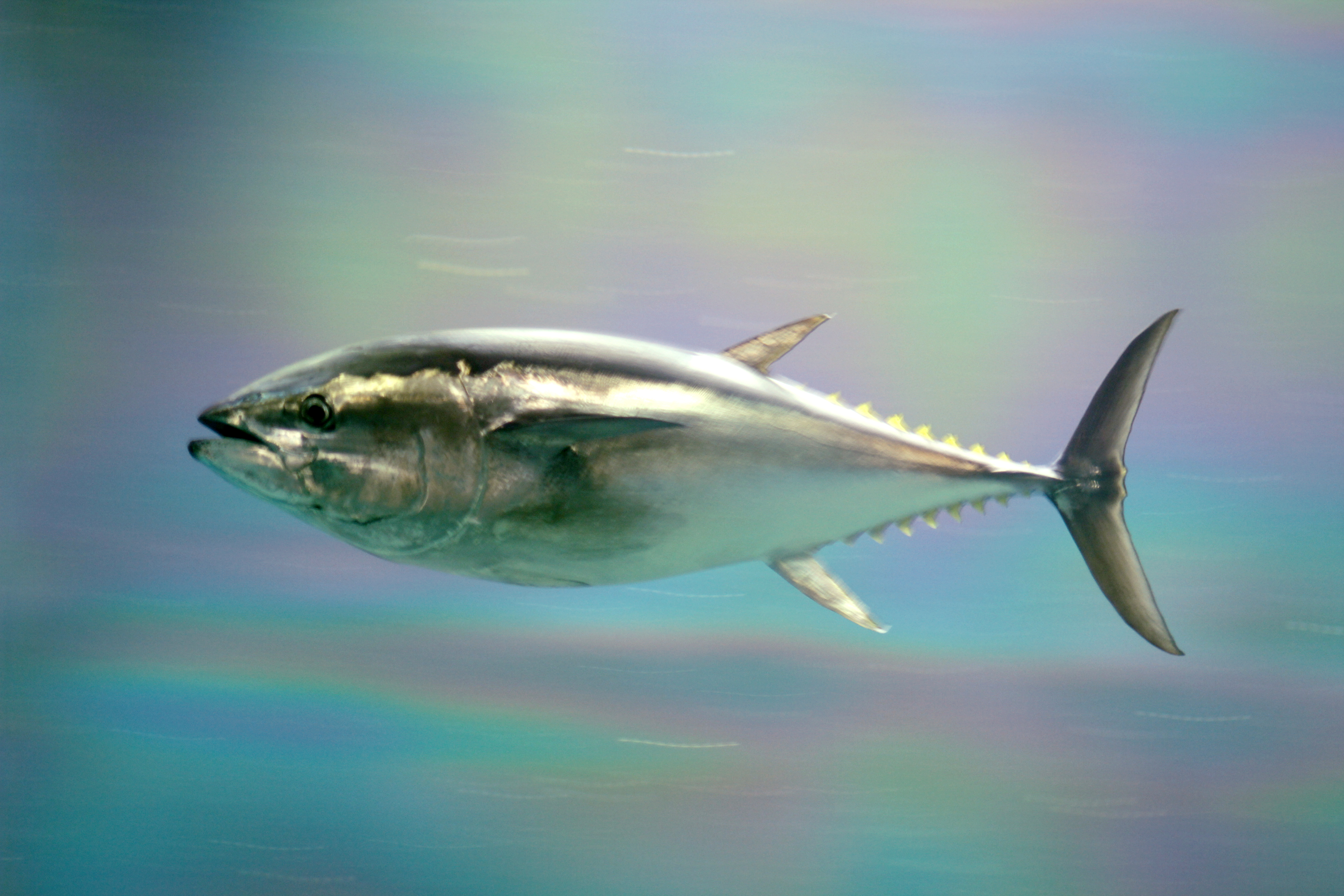
When is the best season to eat tuna?
This is probably not a question you’ve thought a whole lot about. If you’re like most people you don’t time your tuna-eating with the changing of calendar months. In fact, you probably don’t time your tuna eating at all. You might even ask: why would something that is available year-round taste any different if eaten this month or the next?
Well, Yukitaka Yamaguchi has the answer for you. A prolific dealer in tuna since age 22, Yamaguchi is known as the “Tuna King” at the Tsukiji Fish Market in Tokyo. He has tasted and sold thousands of different tuna throughout his life. Through his vast experience he has come to appreciate tuna at a much deeper level than most of us ever will.
What most people take for granted (“tuna is tuna!”), Yamaguchi sees as wholly different. To Yamaguchi each tuna is perhaps like a completely different work of art. The bluefin tuna caught in the Tsugaru strait might taste of warm, fatty notes, like a culinary Rembrandt highlighting with a divine glow the details of a profile previously unappreciated. To Yamaguchi, tuna is not just tuna. The concept of “tuna” extends beyond the fish – to its relation in the world – its relation to the climate, the ecosystem, the fishing industry, the economy – to beauty even.
This is a defining characteristic of master vs. layman. The master sees beyond the superficial. The master can see how the concept he holds in his mind (and perhaps in this case, his hands) relates to the rest of the universe. The master understands how changing one input changes the outcome. The master appreciates the relations between inputs and has a profound appreciation for the meaning and value of what he is master of.
Yamaguchi is a master of tuna, and he has something to teach us about the world: context matters.
“Tuna tastes like what it eats”, Yamaguchi tells us in an interview with the Eater food network. “The reason”, he says, “why tuna caught around Japan tastes delicious, is because smaller Japanese fish taste good… horse mackerel, sardine, mackerel, squid and yellowtail… the tuna eat all that, so they taste delicious”. Moreover, the physiology of the tuna changes according to the climate of the season: “In winter you appreciate the fat. In spring you appreciate the aroma”.
Tuna changes every day, just as the world changes every day. The changing taste of tuna may be something seemingly simple, but its underlying complexity is emblematic of a universal principle: everything that happens in the world is colored by a complex underlying context.
What you see on the surface is just that: the surface. For example, when you are talking with someone and they are being accusatory and aggressive you do not necessarily see the psychological dynamics that underly their behavior. Perhaps they are dealing with a particularly traumatic personal betrayal or they have not yet overcome their own insecurities around social judgement. Perhaps they are dealing with financial troubles, perhaps there is illness in their family. One thing is for certain: who you are dealing with today is not the same person you were dealing with yesterday, even though on the surface they may be.
Tuna tastes like what it eats, Yamaguchi tells us. Well, you too, are a product of what you have “eaten”. But it is not just food we are talking about. All the ideas, behaviors, information and people you have “consumed” throughout your life have shaped you. To understand this is to understand that everything you read and see exists in relation to everything else. That’s why there is no such thing as “unbiased news” – for every journalist carries with them a set of inclinations and views that will inevitably color their reporting. And your interpretation of their reporting is equally colored! What you choose to ignore and focus on is just as much a product of your own context. But this is not necessarily a bad thing (although it certainly can be!). After all, who wants all tuna to taste the same?
The point is, until I watched Yamaguchi’s interview with Eater, I had never once considered that tuna could taste differently depending on the time of year it is eaten in, or that the taste changes depending on where the tuna comes from. Oh, and the best time to eat tuna? For Yamaguchi it is April to May, when he gets tuna from the fixed-net fisheries off of Sado Island. For whatever reason, of all the thousands of tuna that are fished throughout the year, across the world, it is this tuna that is the best tasting to him. It is a great reminder that the simplest of things in this world are deeply influenced by the context and circumstances in which they exist.
One thing is for certain, every time I eat tuna now, I’m going to try my damn hardest to taste that herring.
 Patrick Hofbauer